
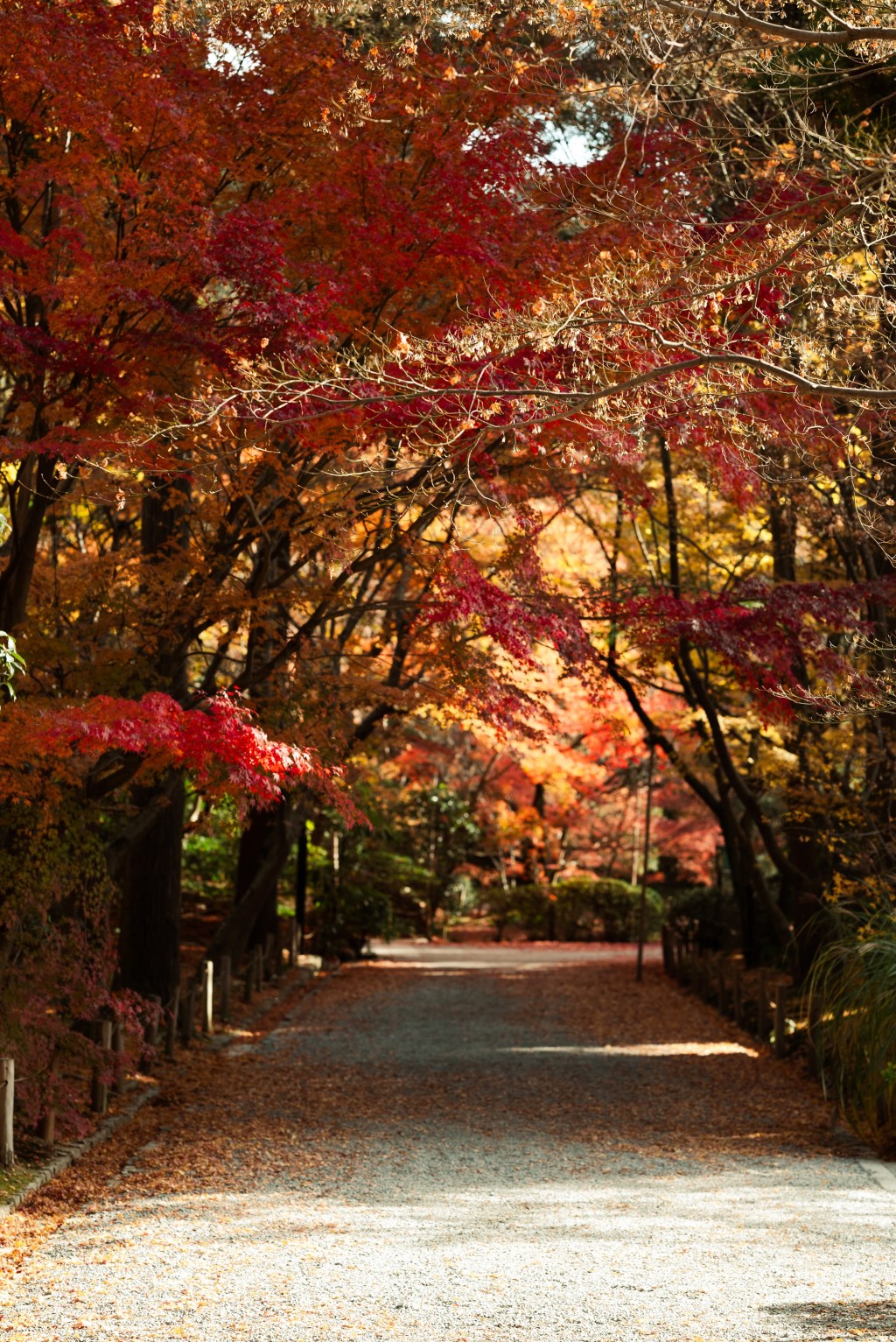
- Day 1: Nishiki Market, Kiyomizudera, Kodaiji and Gion District.
- Day 2: Nara and Uji
- Day 3: Arashiyama Bamboo Forest, Kinkaku-Ji, Ryoan-Ji, Fushimi Inara
In the heart of Japan, Kyoto breathes with a genuine spirit that transcends time. Steeped in tradition, the city whispers tales of ancient rituals and venerable temples. Wandering through its narrow alleys, one encounters not just historic landmarks like Kinkaku-ji but also the essence of a community that cherishes its cultural roots. Kyoto’s authenticity is found in the quiet rituals of a tea ceremony, the rustling of leaves in Arashiyama’s bamboo groves, and the vibrant tapestry of local markets. As the former imperial capital, Kyoto seamlessly blends its illustrious past with contemporary pursuits.
Tokyo dazzles with its vibrant energy, a blend of contemporary art, fashion, and gastronomy. The metropolis embraces constant change, yet preserves pockets of tranquility like Ueno Park. In contrast, Kyoto’s charm lies in its authenticity. The city breathes with the spirit of traditional rituals, geisha culture, and serene gardens like Gion. Ultimately, the choice between Tokyo and Kyoto depends on one’s preference for the dynamic rhythm of urban life or the timeless embrace of Japan’s cultural roots
A brief 3 day Itinerary for Kyoto is given below.
Day 1: Nishiki Market, Kiyomizudera, Kodaiji and Gion District.
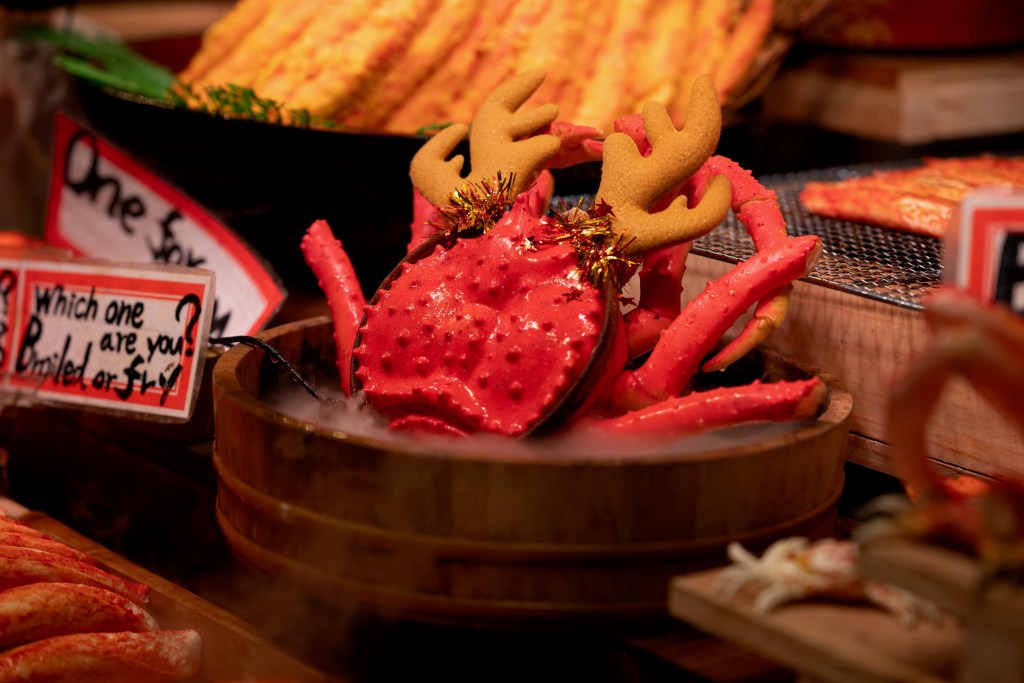
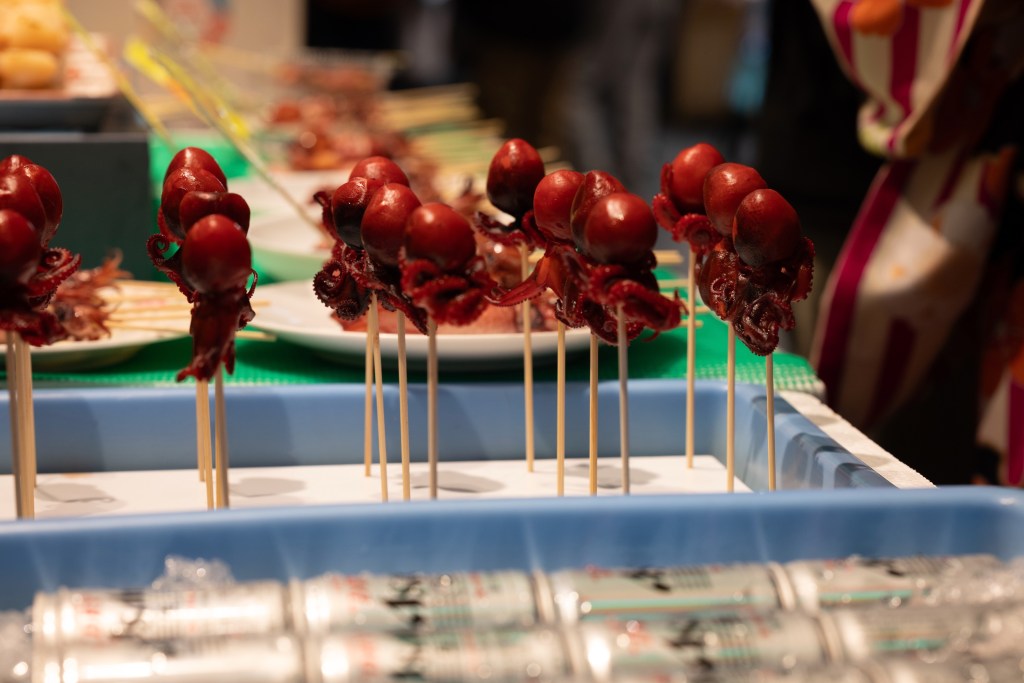
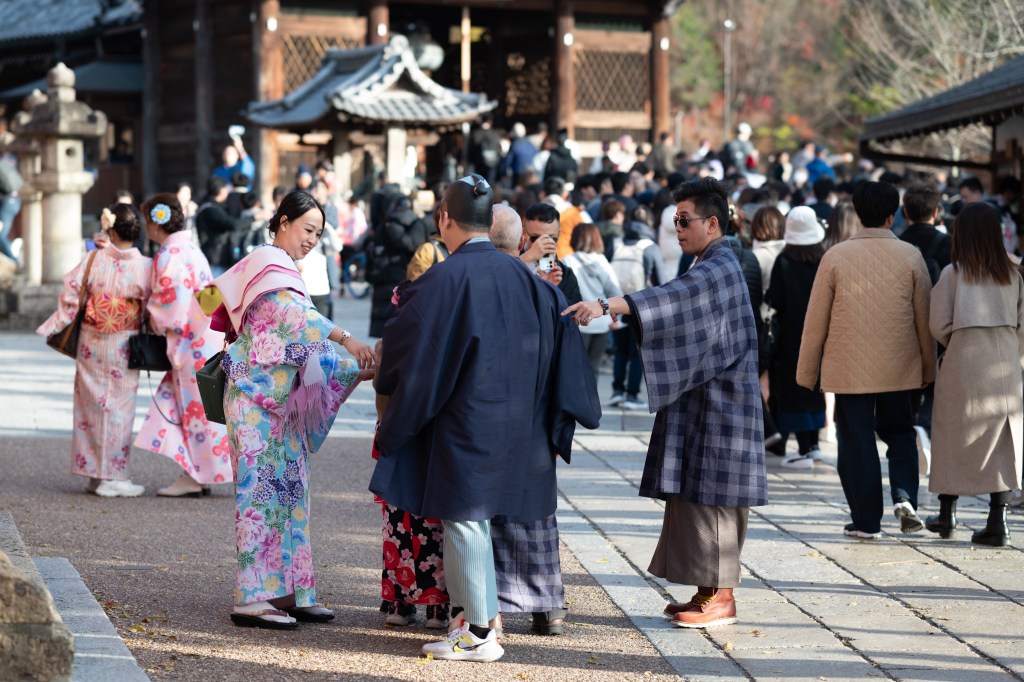
Nishiki Market, Kyoto’s culinary treasure, teems with vibrant stalls offering fresh produce, street food, and traditional delights. It is indeed a must visit for all wanting to savour the local taste of Japan. You can go in the morning and have a late breakfast/lunch here. After that head off to Kiyomizu-dear. It is perched on Kyoto’s hills and unveils panoramic views and serenity, inviting contemplation in its historic embrace. It is also very popular to dress up in a Kimono and go to take photos here. After enjoying the beautiful views from Kiyomizu-dera you can walk to Kodaiji. It is just a 10 minute walk. Kodai-ji, a Kyoto gem, enchants with Zen gardens, illuminated pathways, and historic tranquility, preserving Japan’s cultural legacy. If you are not too tired then head off to the Gion district to enjoy your evening. This is Kyoto’s historic Geisha district which captivates an ancient charm, wooden machiya houses, and elusive glimpses of geiko and maiko. If you do spot a geiko, please do not take photographs of them. This is forbidden.




Day 2: Nara and Uji
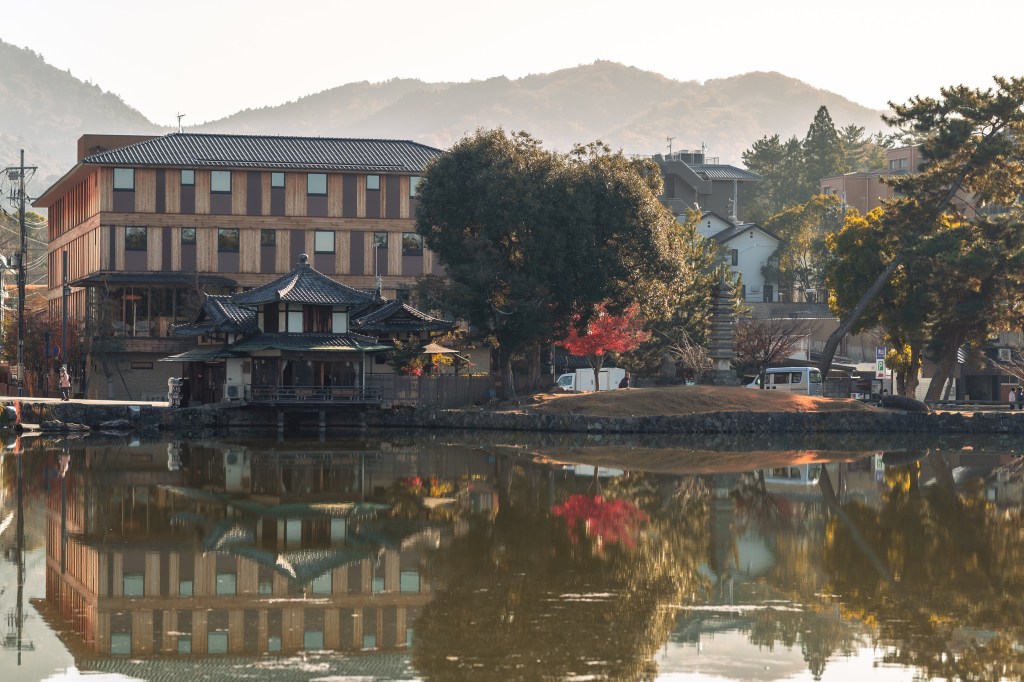
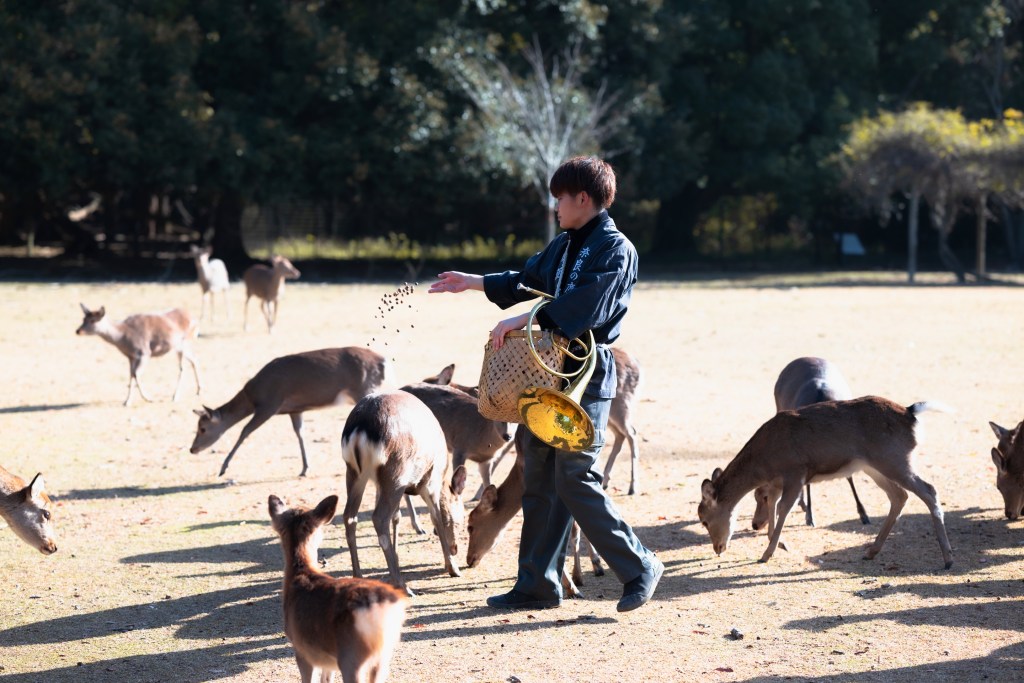
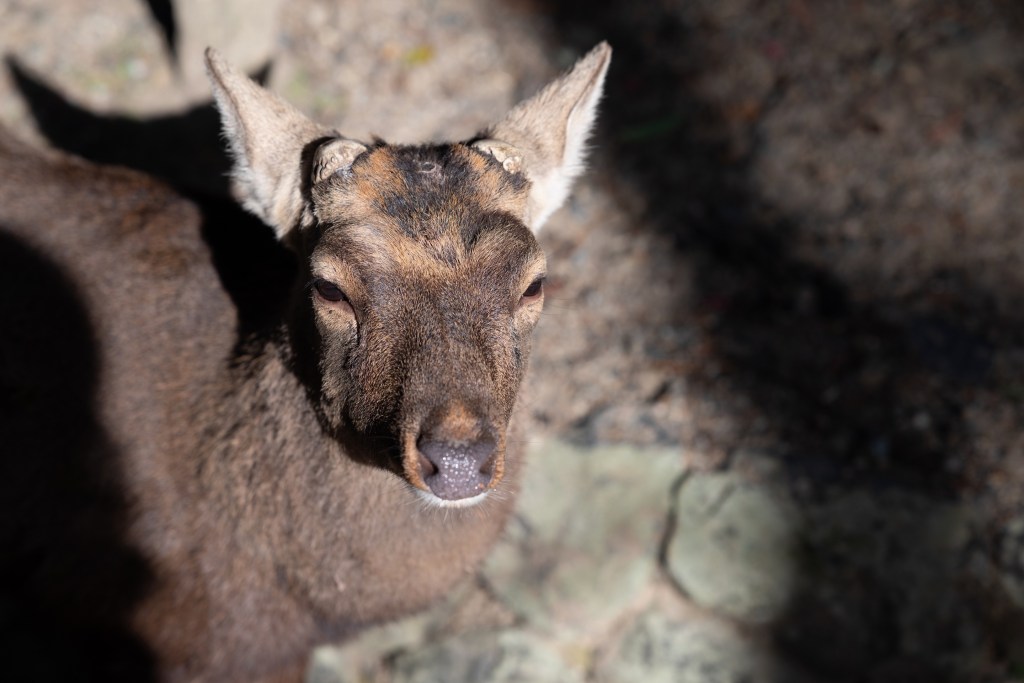
A lot of people might disagree to visit both Nara and Uji on the same day. I totally agree that you can make a whole day out of visiting Nara itself but since we didnt have a lot of time in Kyoto we decided to make the most out of it by also visiting Uji. You can travel from Kyoto to Nara using the JR ticket (if you have purchased that). On arriving at Nara, we decided to go straight to the Deer Park. On the way to the deer park we visited Kofuku-Ji temple. Do stop here to visit this beautiful temple. After visiting Nara we decided to quickly visit the Todai-Ji temple. The one thing I realised after visting Japan is that shrines and temples are not just about religion but also about faith, tranquility, peace. I for one always felt a sense of calm when visiting the temples there


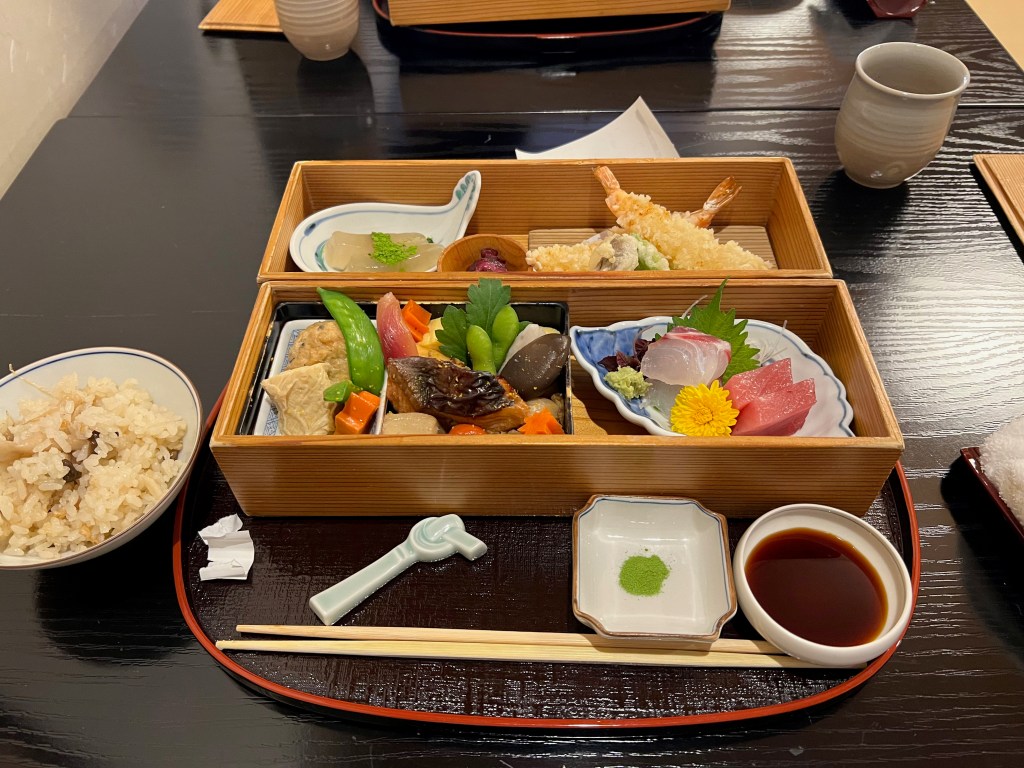
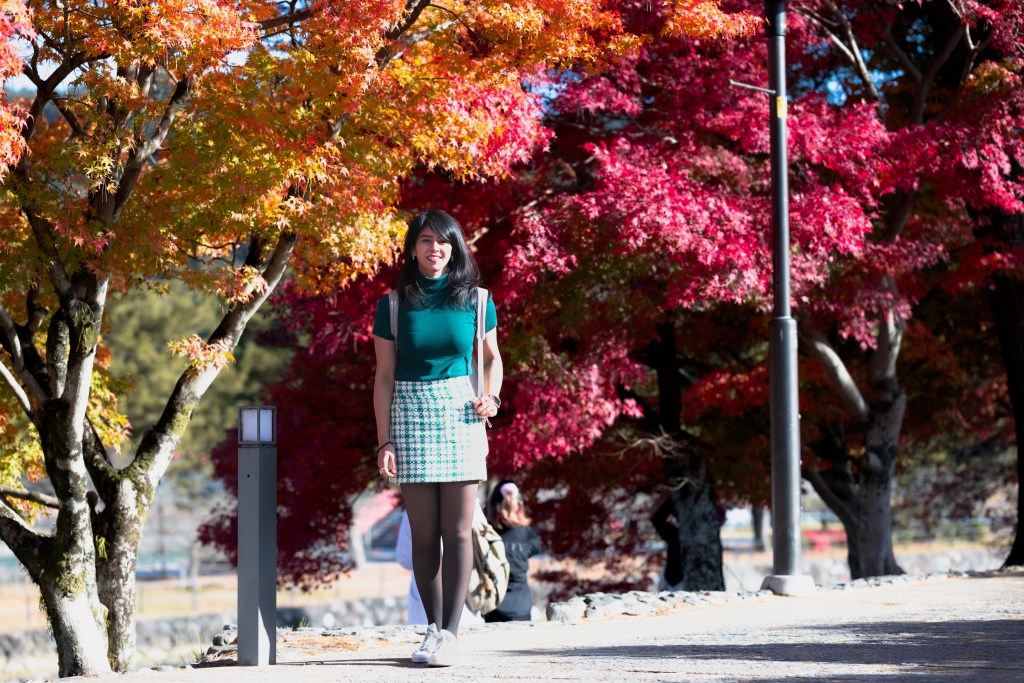
Uji: We went quite early to Nara which is why we managed to finish there before lunch. Without further wait we decided to take the train to Uji. Now Uji is not a conventional tourist place but for me one word was enough to get me there, the word being “Matcha”. Matcha comes from the Kyoto region in Japan and more specifically from Uji. Apart from being the Matcha haven, Uji is a quaint, picturesque town where you can easily spend atleast half a day. We even took a Matcha making workshop and enjoyed it thoroughly. The food was delicious, autumn colours were bursting everywhere. Uji encapsulates the essence of Japanese tea culture, providing a serene retreat.


Day 3: Arashiyama Bamboo Forest, Kinkaku-Ji, Ryoan-Ji, Fushimi Inara
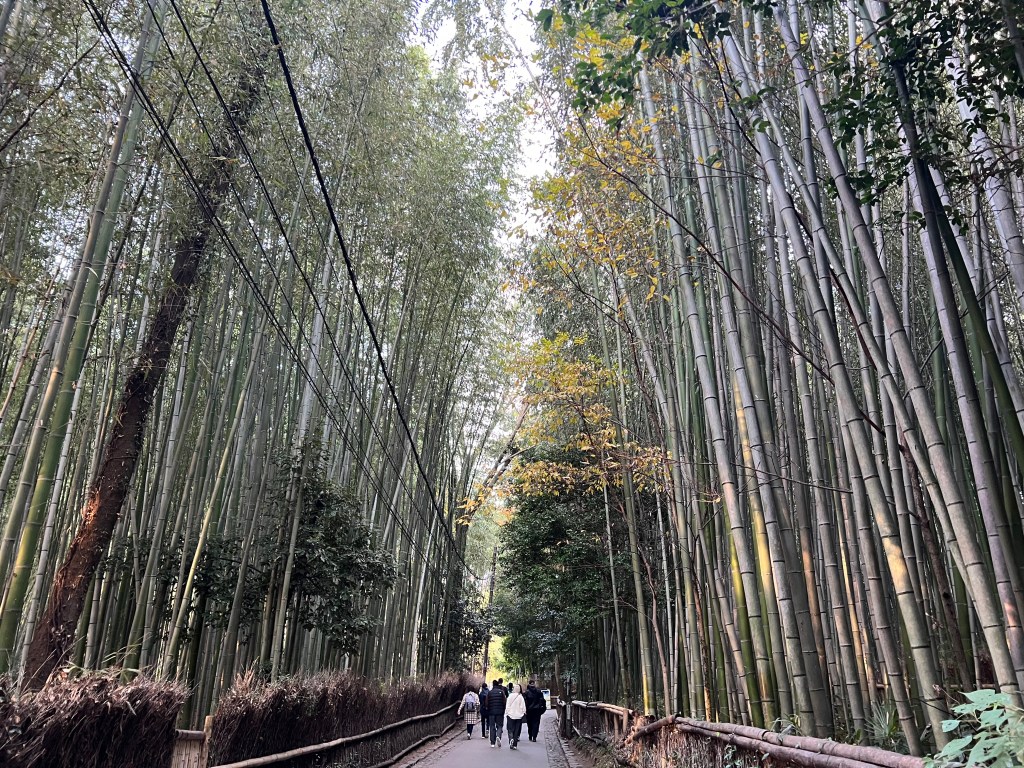
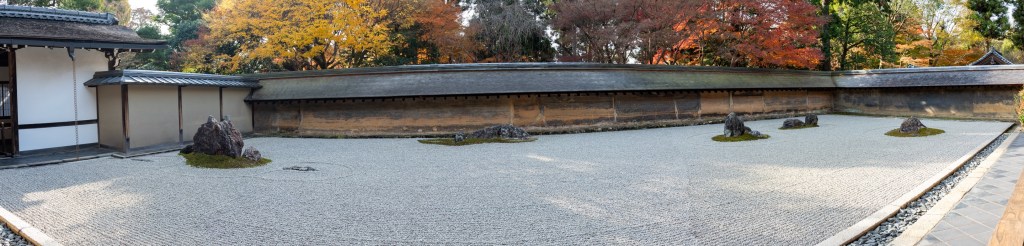
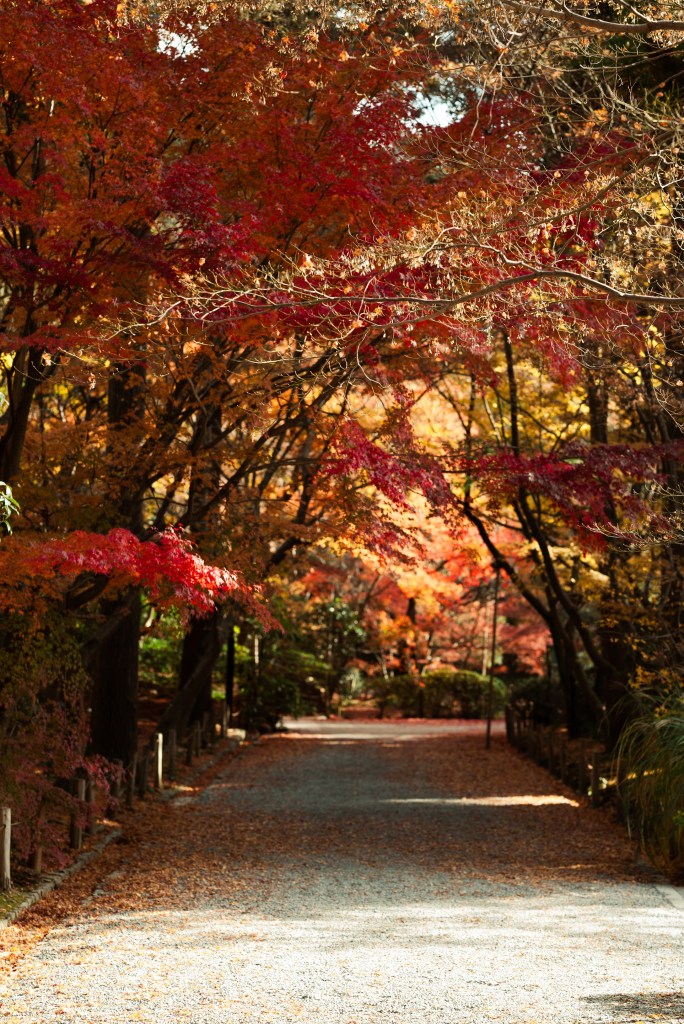
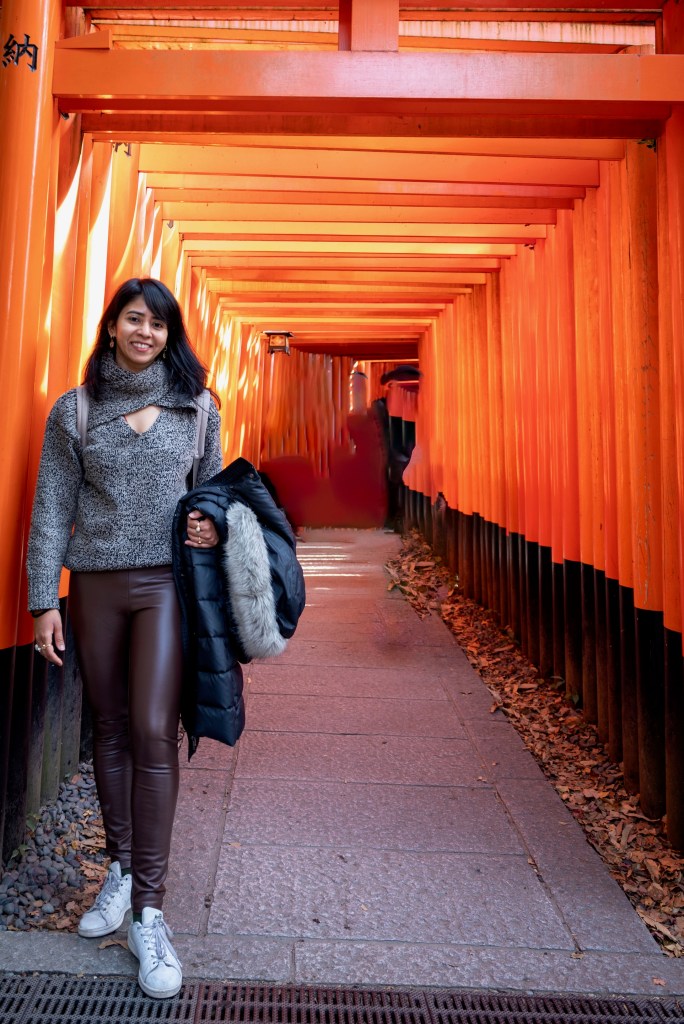
The 3rd day was our last day in Kyoto and we did have quite a few things left to see. We started quite early in the morning as we had a lot of ground to cover. Our first stop was the maginificent Arashiyama Bamboo Forest. As sunlight filters through the dense grove, the rustling leaves produce a gentle symphony. The path leads to iconic sights like the Iwatayama Monkey Park and the enchanting Togetsukyo Bridge. It is definitely a must visit but to avoid tourist times try to come early in the morning or in the evening. Our next stop was the beautiful Kinkaku-Ji. The Zen Buddhist temple reflects in the serene waters of Kyoko-chi Pond, creating a beautiful scene. Originally built as a shogun’s retirement villa, Kinkaku-ji showcases intricate details, meticulously maintained gardens, and a harmonious integration of nature and art. After Kinkaku-Ji we went straight to our most favourite one in Kyoto the Ryoan-Ji temple. Renowned for the iconic Rock Garden, a composition of 15 rocks surrounded by meticulously raked gravel, the temple exudes tranquility. No matter from what angle you count the rocks you can never see 15 of them. According to Zen, this is how life is. It is never perfect and we must always accept what is. After sitting in the rock garden for sometime we decided to roam around the beautiful garden at Ryoan-Ji. Visiting Ryoan-Ji was definitely my favourite part of the day. After Ryoan-Ji we decided to head to Nishiki Market for lunch. After lunch, we took the train to Fushimi Inara. Since we arrived quite late in the day, it was overcrowded. But we were ready for that as we had to choose between the sights we really wanted to see peacefully. It unveils a mystical realm where vermilion torii gates meander through lush forests. Beyond the iconic path lies a sanctuary of fox statues, guardians of the sacred Mount Inari. This Shinto haven invites explorers to traverse a tapestry of spiritual energy, where nature and divine presence harmonize.





 Roam her way
Leave a comment