
- Day 1: Take a walking tour of Tokyo.
- Day 2: Shinjuku/Shibuya/Harajuku.
- Day 3: Ginza/Akihabara.
- Other Sight Seeing
- Food in Tokyo
- Tips for travelling in Japan
Tokyo, the vibrant capital of Japan, is a sprawling metropolis that seamlessly blends the ultramodern with the traditional. With its futuristic skyline, neon-lit streets, and cutting-edge technology, Tokyo stands as a global hub of innovation and contemporary culture. The city is a kaleidoscope of experiences, from the bustling districts of Shibuya and Shinjuku, adorned with iconic landmarks like the Shibuya Crossing and Tokyo Tower, to the serene oasis of Ueno Park and the historic Senso-ji Temple in Asakusa.
Tokyo’s culinary scene is unparalleled, offering a diverse array of flavors from street food stalls to Michelin-starred restaurants. The city’s neighborhoods each have a distinct character, from the trendy fashion boutiques in Harajuku to the electronic wonderland of Akihabara.
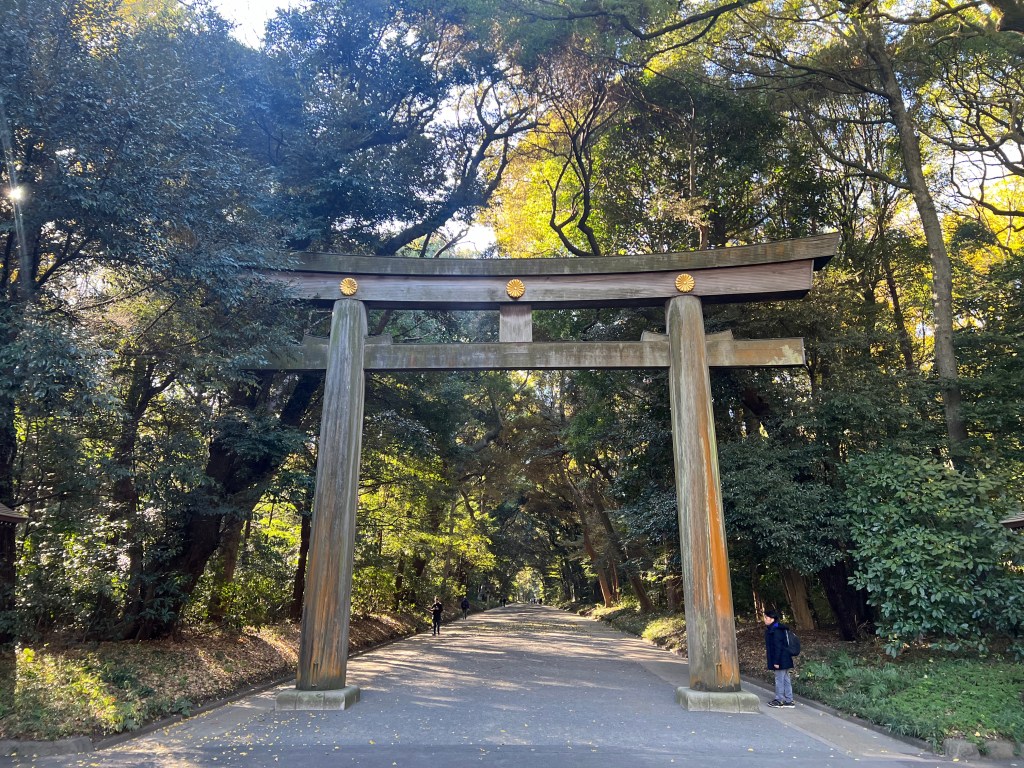
Beyond the urban landscape, Tokyo surprises with its commitment to preserving its cultural heritage. Visitors can escape to tranquil gardens like Hama-rikyu or the Meiji Shrine, finding a peaceful retreat amidst the bustling city. The juxtaposition of ancient traditions and modern innovation creates a unique tapestry that defines Tokyo as a city of contrasts and constant reinvention.
In Tokyo, the relentless energy of urban life coexists with moments of tranquility, making it a destination that captures the essence of both Japan’s rich history and its cutting-edge future. The city’s dynamism, cultural richness, and warm hospitality make it an unforgettable destination for travellers seeking a captivating blend of tradition and innovation.
Below you will find a short 4 day itinerary for Tokyo
Day 1: Take a walking tour of Tokyo.
We took https://www.airbnb.com/experiences/768362 from AirBnb and were not disappointed at all. No doubt it was an all day tour and may not be suitable for children or anyone who has problems with mobility but this is a wonderful way to get an overview of Tokyo, the different neighbourhoods, insights on the Japanese life, etc. The experience lasted 9 hours and was covered partially on foot and partially by Metro. Visiting a gigantic city like Tokyo can be overwhelming and this kind of an experience definitely helps to narrow down the most important places that we would like to visit.
Day 2: Shinjuku/Shibuya/Harajuku.
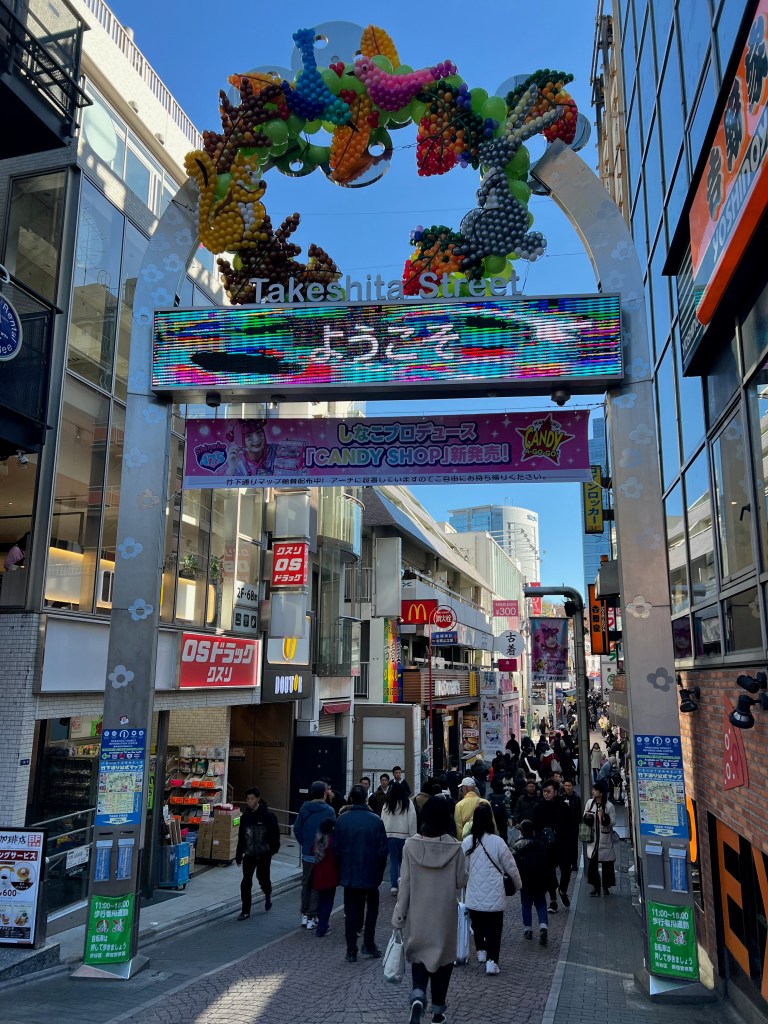
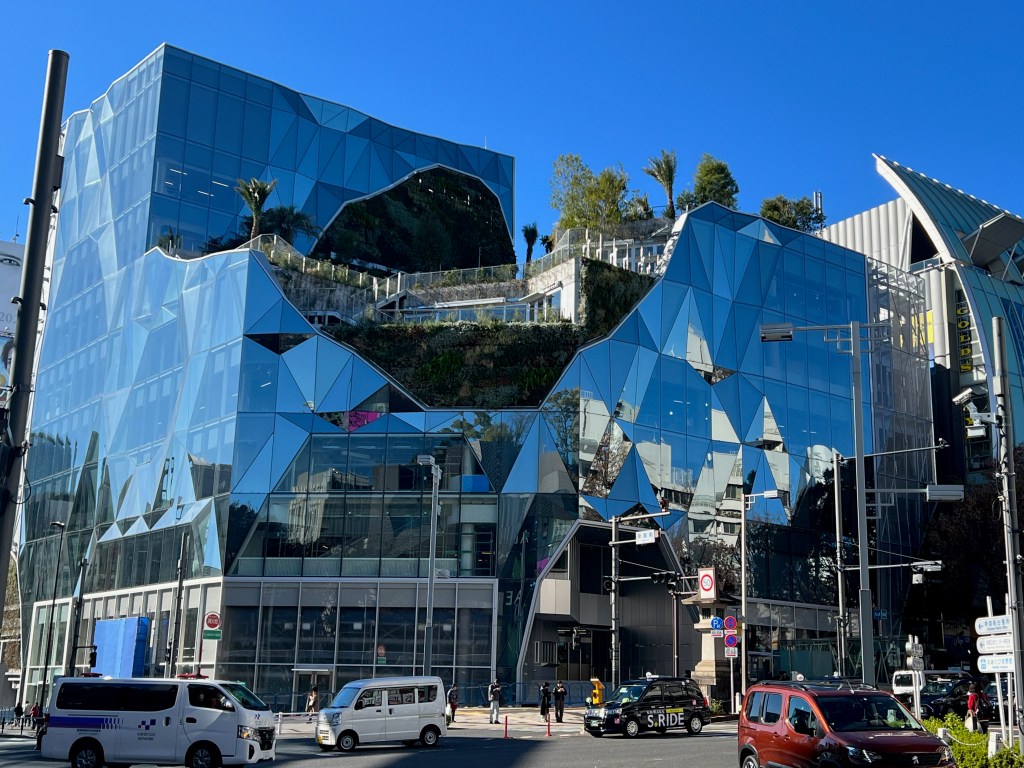
Shinjuku and Shibuya, two iconic districts at the heart of Tokyo, encapsulate the city’s dynamic spirit and diverse facets. Shinjuku, a labyrinth of towering skyscrapers and neon lights, is a bustling commercial and entertainment hub. Here, the frenetic pace of life unfolds amid towering buildings, labyrinthine alleys, and the renowned Kabukicho red-light district. By day, the district transforms into a corporate epicenter, while, by night, it pulsates with the energy of nightlife and entertainment. In contrast, Shibuya is the epitome of youth culture and trendsetting fashion. Shibuya Crossing, a chaotic symphony of pedestrians, exemplifies the district’s vivacity. Fashion boutiques, cutting-edge technology stores, and vibrant street art line the streets, making Shibuya a trendsetter’s paradise. The iconic Hachiko Statue near Shibuya Station adds a touch of loyalty and tradition to the district’s modern flair. Both Shinjuku and Shibuya embody Tokyo’s dichotomy, offering a glimpse into the city’s capacity to seamlessly blend the traditional and the avant-garde in its ever-evolving urban landscape. These 2 localities are also famous for shopping (mega Don Quijote, Shibuya Sky, various electronics shops are just to name a few) and ofcourse the numerous restaurants, bars and Tokyo’s dazzling nightlife. Harajuku, a vibrant neighborhood nestled in the heart of Tokyo, is a kaleidoscope of eccentricity and creativity. Renowned globally as a fashion mecca, Harajuku’s Takeshita Street is a bustling thoroughfare where avant-garde fashion, colorful street art, and quirky boutiques converge. This district has become synonymous with youthful expression, where trends are born on the streets and then showcased in the eclectic array of shops lining the bustling thoroughfare. From Lolita fashion to pop culture-inspired styles, Harajuku is a living canvas where individualism is not just celebrated but encouraged. Beyond its fashionable exterior, Harajuku offers an array of charming cafes, vintage shops, and a palpable sense of freedom that invites visitors to explore and embrace the city’s ever-evolving cultural landscape
Day 3: Ginza/Akihabara.
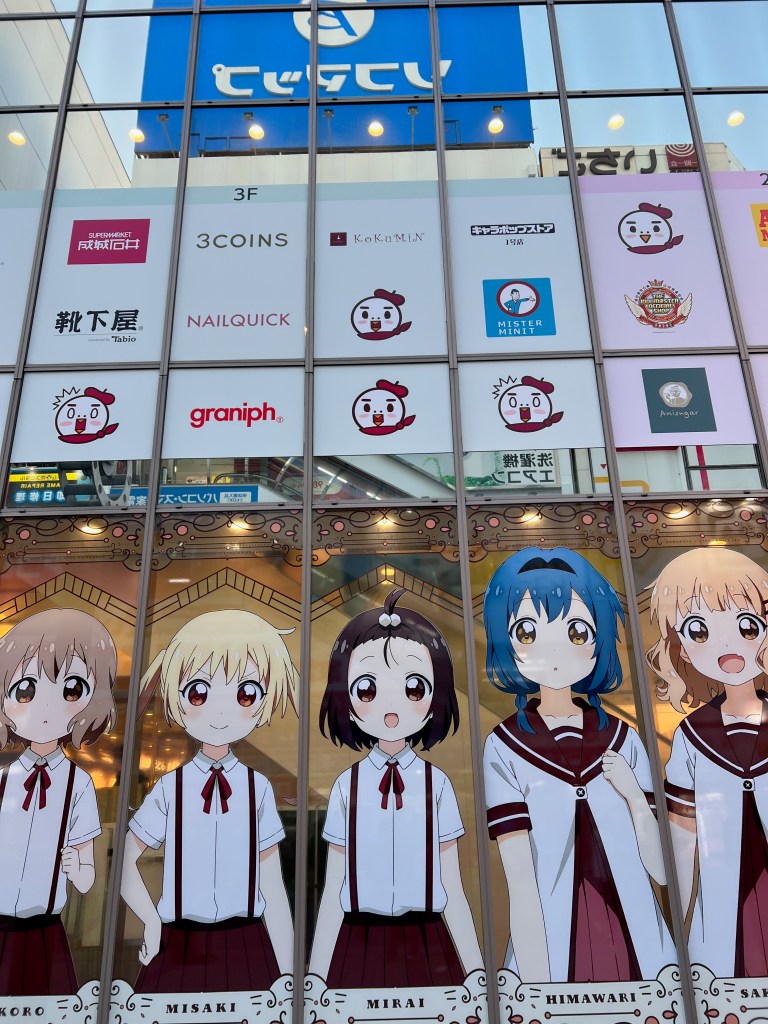
Akihabara, Tokyo’s tech and anime mecca, buzzes with a mesmerizing blend of vibrant energy and pop culture allure. Neon signs illuminate the district, guiding visitors through a maze of electronics stores, manga shops, and themed cafes. Gamers revel in multi-story arcades, while anime enthusiasts explore towering buildings housing an array of collectibles. Akihabara is not merely a shopping destination; it’s a subculture phenomenon. Ginza, Tokyo’s upscale shopping and entertainment district, radiates sophistication and style. Renowned as one of the world’s most luxurious commercial avenues, Ginza boasts iconic department stores, high-end boutiques, and cutting-edge design. Gleaming skyscrapers house exclusive international brands, while traditional Japanese craftsmanship finds a modern expression in flagship stores. The district transforms in the evening, as neon lights and elegant signage illuminate the streets, setting the scene for a night of gourmet dining and cultural experiences.
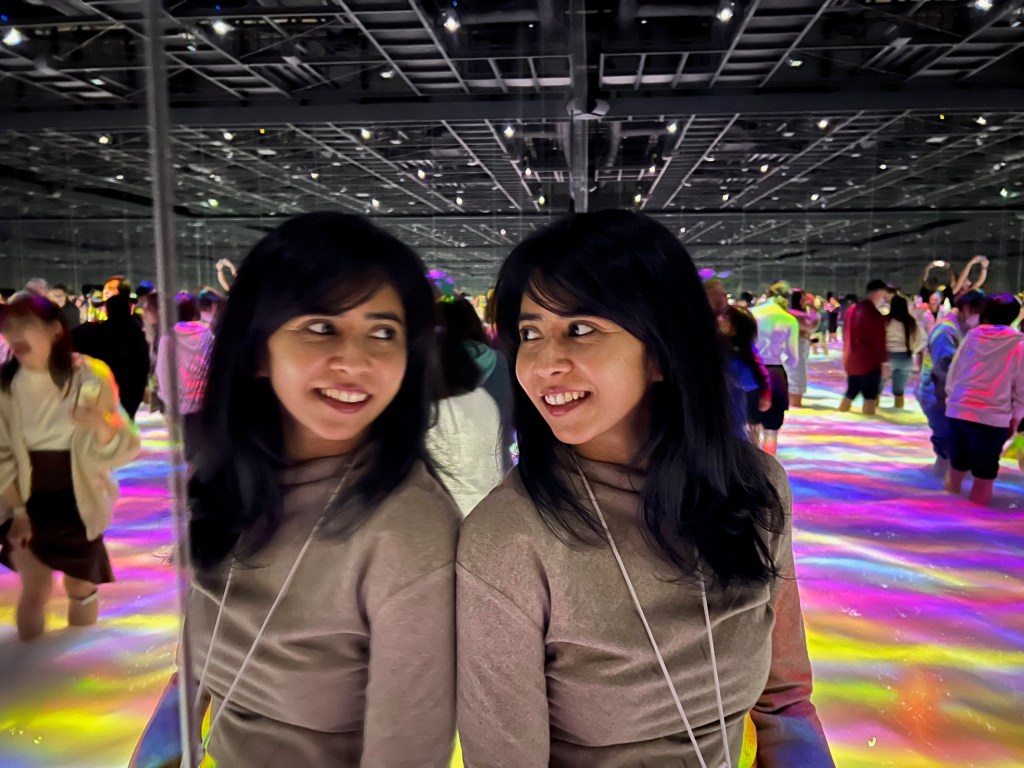
TeamLab Planets/shopping/food tours: TeamLab Planets in Tokyo is an extraordinary digital art museum that redefines the traditional gallery experience. Through cutting-edge technology, it plunges visitors into a realm where art becomes a dynamic, interactive adventure. From wading through immersive digital waterfalls to traversing radiant landscapes, each room offers a sensorial journey, responding to human presence with captivating visuals and soundscapes
Other Sight Seeing
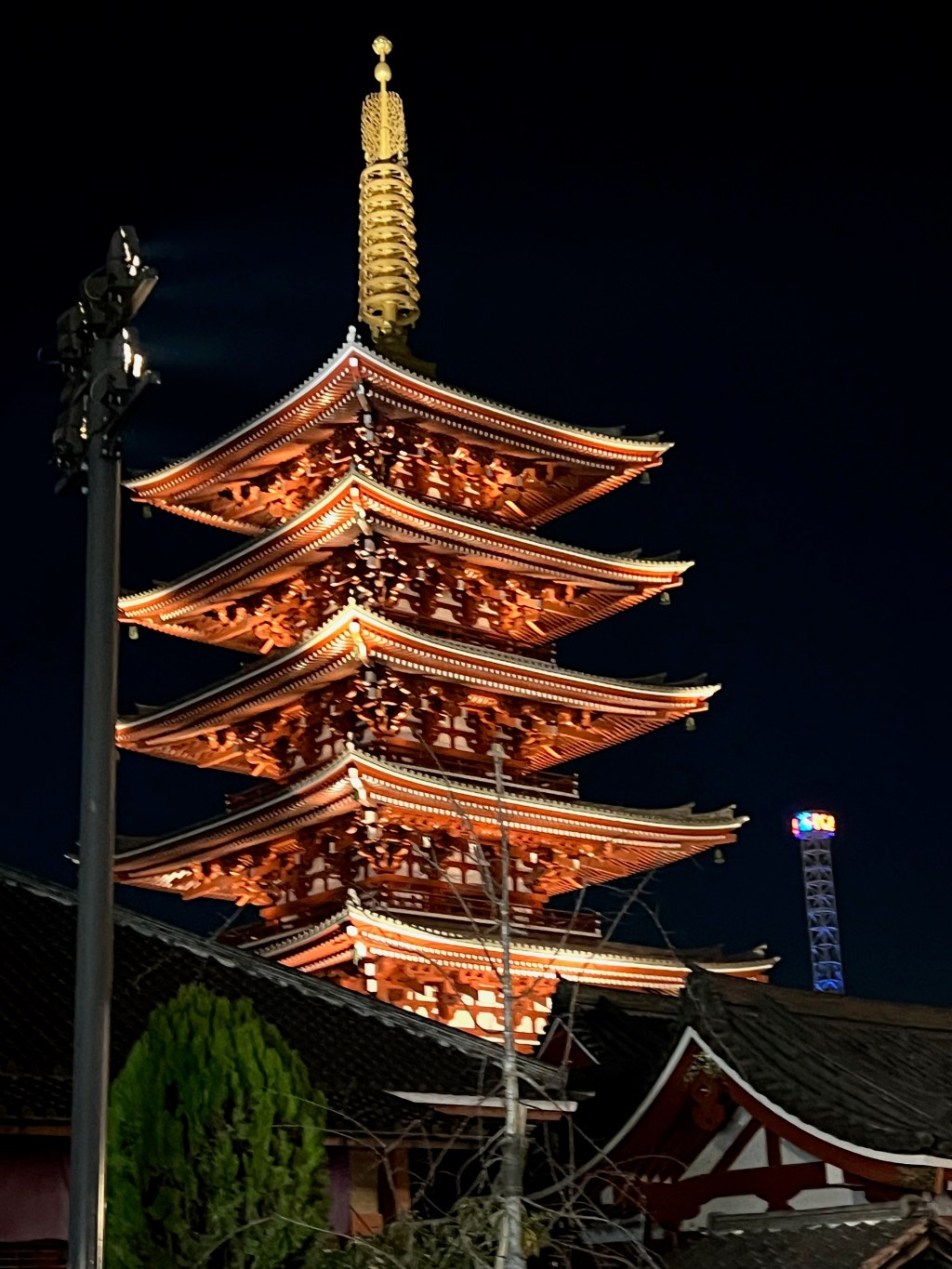
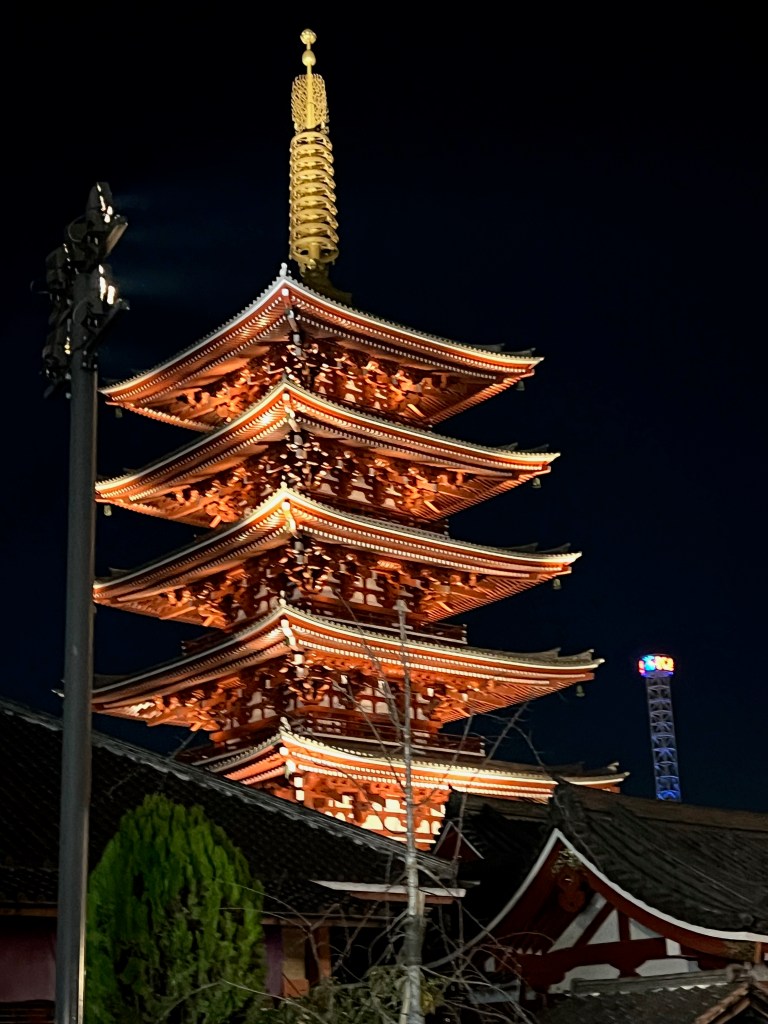
Apart from what I have mentioned, there are innumerable gardens, shrines, etc. which can be visited. I, for example have not mentioned the Tsukiji Fish Market or the Meiji Shrine or the Senso Ji shrine or Asakusa as these were covered in detail as part of the walking tour I had taken in Tokyo.
Food in Tokyo
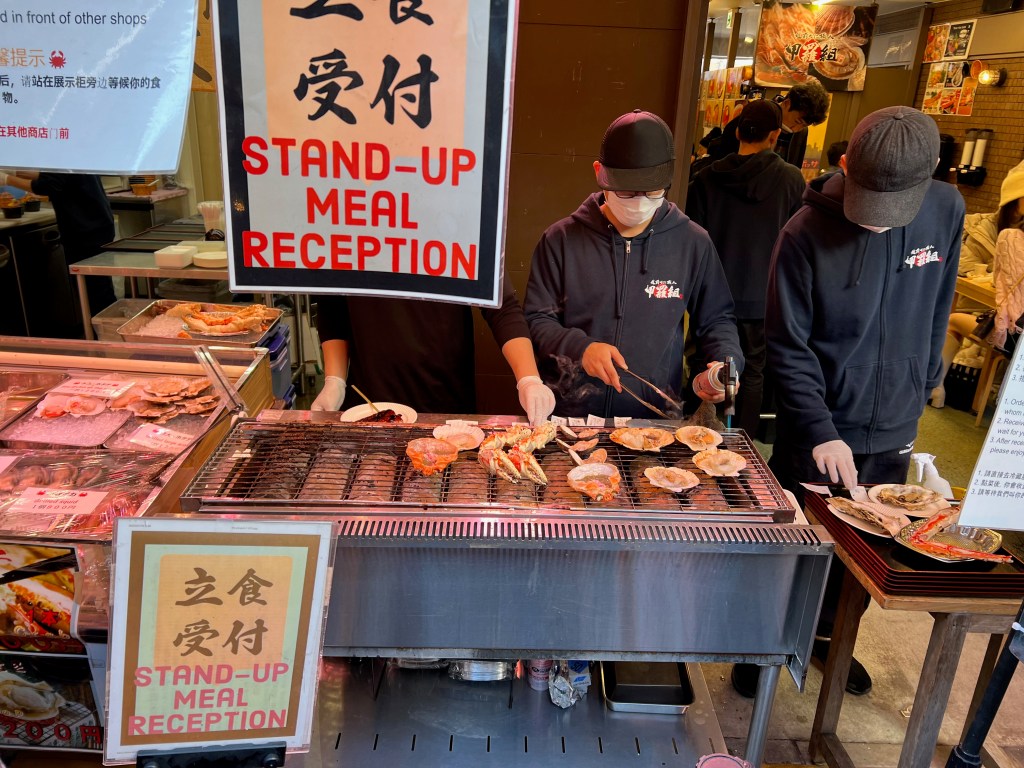
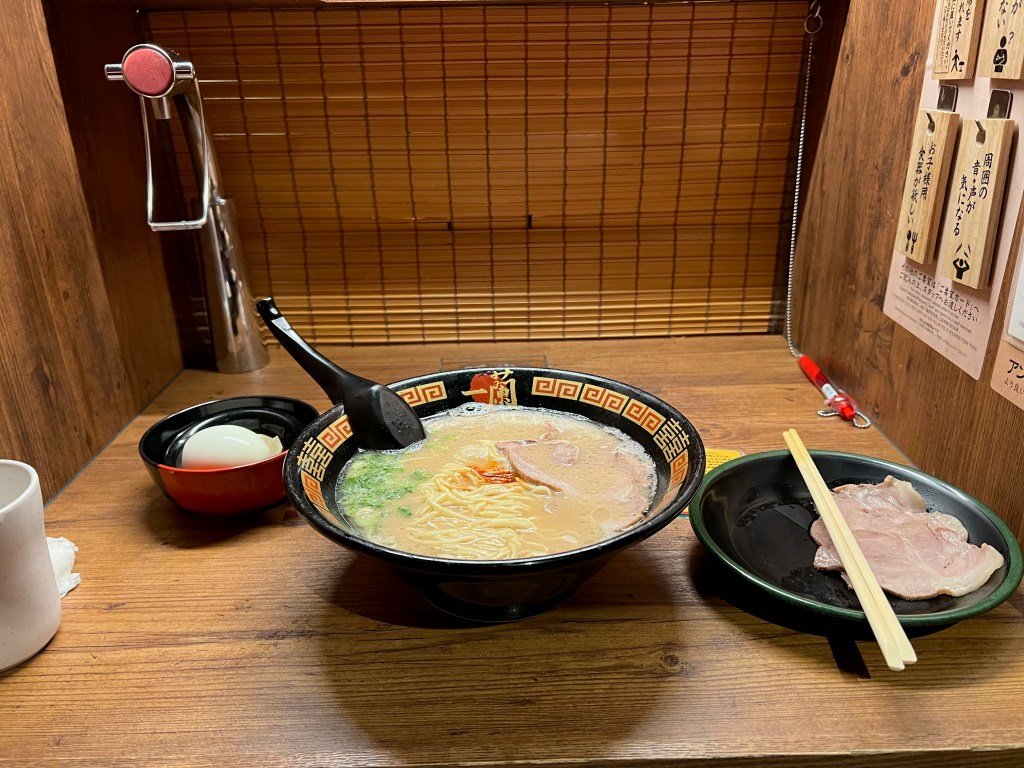
Tokyo, a culinary haven, boasts an unparalleled gastronomic landscape that tantalizes taste buds with its diverse offerings. From the bustling street markets like Tsukiji Outer Market to Michelin-starred dining in Ginza, the city caters to every palate. Savor exquisite sushi crafted by master chefs, indulge in bowls of steaming ramen in hidden alleyways, or explore the intricacies of kaiseki cuisine in traditional settings. Izakayas, casual pubs, invite socializing over small plates, while depachika, the gourmet food floors in department stores, showcase an array of delectable treats. I, for example prefer to always try the local food and usually ask locals for recommendation. And not just restaurants, Japan’s convenient stores offer a huge variety of food choices and I mostly ended up picking up breakfast items from either a Seven Eleven or a Family Mart.
Tips for travelling in Japan
Here are my few tips for travelling in Tokyo and in general all over Japan
- Fill up your immigration form online to reduce waiting times at immigration counter
- If you have bought a JR voucher, try to exchange it for the pass the day you land in Japan. At Tokyo Narita (where I landed), there is a counter for that and several machines as well. Since it was the first time for me, I preferred to go to the counter. I exchanged the JR voucher for the actual ticket and also reserved seats for our travel to Kyoto and Osaka (I asked them to reserve seats on the side from where I could see Mt.Fuji). But if you know your dates when you will be travelling you can reserve the seats beforehand
- The JR Pass only works on the JR Line/Shinkansen. For individual travel with Metro/bus/local trains you will need to buy either a Suica or a Pasmo Card. Both are available at the airport or in any convenient store. The Suica for example can be used to pay in convenient stores, vending machines, etc.
- Do Not Tip in Japan. Tipping is considered offensive. Also while handing out cash, dont place the cash directly in the hand of the cashier but in the small till in front of them.
- There are almost no trash cans available in Public Places. You either need to carry your trash with you to your hotel or you can dispose of your trash at the nearest convenient store. They have trash cans which can be used by everyone.
- If you are running out of cash and have a conversion rate friendly card you can use the ATM inside Seven Eleven to withdraw cash at almost no fee.
- Please do not walk and eat. Eating is considered as a mindful activity and to not litter, people either stand outside the convenient stores or sit and eat.
- Talking over the phone in public transportation and in restaurants is frowned upon. This is to avoid disturbing everyone else around you. Honestly, I loved this. Travelling was very peaceful. You can talk to the people you are travelling with though.
- Reserve any restaurant that is in your wish list. People love to eat outside and without reservations, mostly you will be turned away or be prepared to wait in long queues.
- Take it slow. Japan has a lot to offer and you will probably not be able to see everything in your first visit. Japanese culture is a rich tapestry woven with deep-rooted traditions, intricate rituals, and a profound respect for nature. It embraces a harmonious blend of modern innovation and timeless customs, reflecting a unique balance between the old and the new. Enjoy every single experience.





 Roam her way
Leave a comment