
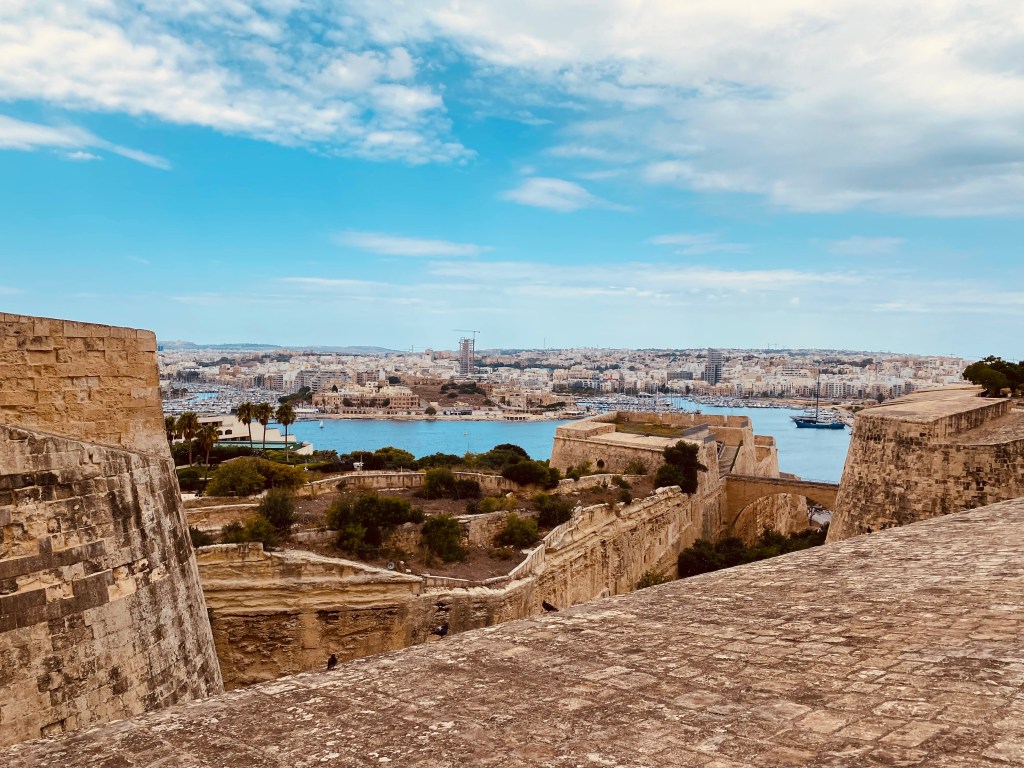
- Valletta Unveiled: A Guide to Malta’s Capital
- M’Dina – The Silent City
- Gozo Islands
- Comino and Blue Lagoon
- Where to eat in Malta:
Valletta Unveiled: A Guide to Malta’s Capital
Welcome to Valletta, the captivating capital of Malta, where history seamlessly blends with the contemporary, and every cobbled street whispers tales of centuries past. As a travel enthusiast, I’m thrilled to unveil the secrets of this unique gem, sharing insider tips on where to eat, what to see, and where to find the most authentic experiences.
Valletta is a city that continues to surprise and inspire, offering a wealth of experiences for both history buffs and seekers of authentic local life. So, lace up your walking shoes, indulge in delicious Maltese cuisine, and get ready to fall in love with this enchanting Mediterranean capital. Whether you’re wandering through its timeless streets or gazing at the azure waters from its historic walls, Valletta is a destination that will capture your heart.

What to see in Valletta:
1. St. John’s Co-Cathedral: Explore the ornate beauty of St. John’s Co-Cathedral, a Baroque masterpiece. Don’t miss the mesmerizing Caravaggio paintings.
2. Upper Barrakka Gardens: Enjoy panoramic views of the Grand Harbour and the Three Cities from these stunning gardens. Be sure to catch the cannon salute at noon.
3. The Grandmaster’s Palace: Delve into history at the Grandmaster’s Palace, housing the President’s office and the Armory, which boasts an impressive collection of armor and weapons.


An ideal way to explore Valletta would be to take one of its many walking tours which are affordable and you will get to know about its rich culture and history. I personally recommend this tour that I had taken: Link to the experience. Our guide Mario was a history teacher in Malta and was very knowledgable in explaining everything.
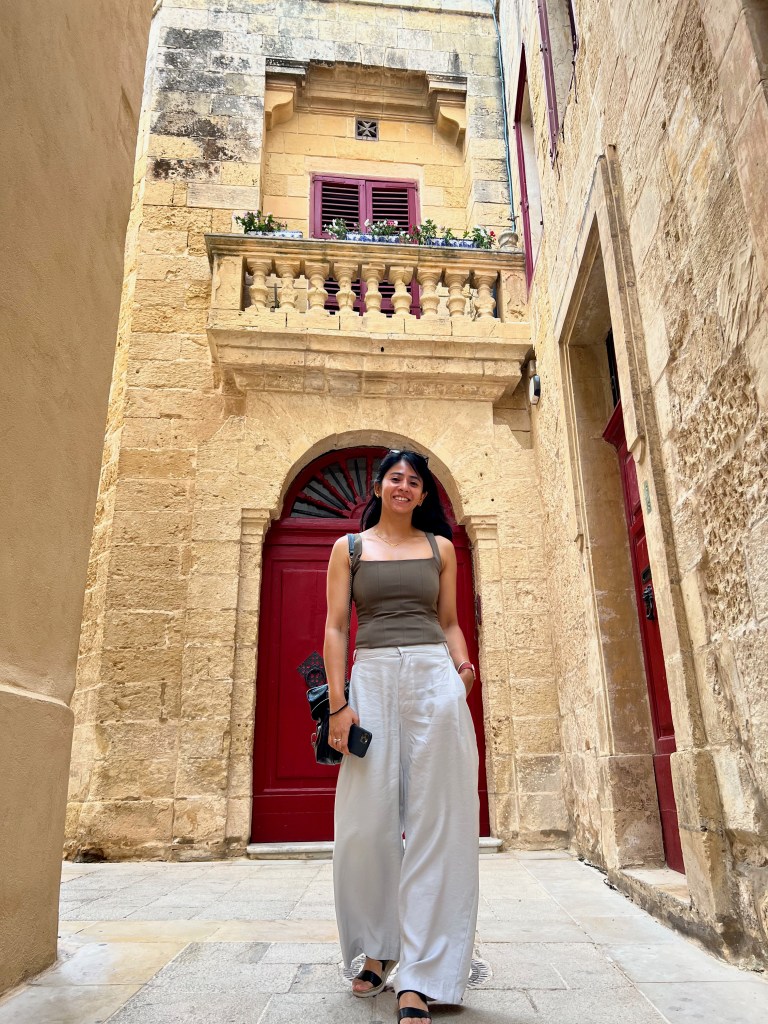
M’Dina – The Silent City
Exploring Mdina, Malta’s ancient walled city, is like stepping into a time machine that whisks you to a forgotten world. While many blogs may mention the stunning architecture and history of Mdina, what truly sets it apart is the enchanting aura of tranquility that envelops the city, especially during the early morning or late evening hours. As you meander through its narrow, cobblestone streets, take a moment to savor the peaceful silence that is often interrupted only by the distant echo of horse-drawn carriages. This unique ambiance allows you to connect with the city’s history on a profoundly personal level, as you imagine the lives of its past inhabitants in a way that no guidebook can fully capture.
We did not take any tours and decided to explore Mdina on our own.
What to see in Mdina (the silent city):
- Mdina Gate: Start your journey by passing through the magnificent Mdina Gate, a grand entrance into the city. The gate is a beautifully preserved example of Baroque architecture and offers a great photo opportunity.
- St. Paul’s Cathedral: Visit St. Paul’s Cathedral, an awe-inspiring Baroque church known for its stunning interior, intricate sculptures, and ornate frescoes. Don’t forget to explore the cathedral museum to learn more about its history.
- Palazzo Vilhena: This 18th-century palace now houses the National Museum of Natural History. It’s a great place to explore if you’re interested in Malta’s flora and fauna.
- Palazzo Falson: Step into the past at Palazzo Falson Historic House Museum, a beautifully preserved medieval mansion that offers a glimpse into the life of a 20th-century artist and collector.
- Bastion Views: Take a leisurely walk along the city walls to enjoy panoramic views of the Maltese countryside, including distant views of the Mediterranean Sea. The Bastion Views offer a serene and picturesque perspective of the island.
- Dingli Cliffs: The Dingli Cliffs are the most famous cliffs in Malta and are located just a 15-20 minute drive west of Mdina. These dramatic limestone cliffs offer breathtaking panoramic views of the Mediterranean Sea and the surrounding countryside. It’s a fantastic spot to enjoy a leisurely walk and take in the natural beauty of Malta’s western coast.

Gozo Islands
Gozo, the serene sibling of Malta, beckons travelers with its unique charm. Beyond its well-known attractions, what sets Gozo apart are its hidden salt pans etched into the coastal rocks, remnants of a centuries-old industry that still mesmerize with their intricate patterns. The island’s undersea windows, like the one at Wied il-Mielah, offer a less crowded but equally stunning alternative to the Azure Window. Gozo’s rich folklore comes to life during the annual Carnival celebrations, where grotesque masked figures known as “kukkanja” roam the streets in a tradition rooted in medieval satire. But perhaps the island’s most authentic treasures lie in the quaint villages, where local artisans craft handmade lace, sweet “gellewża” liqueur, and intricate filigree jewelry, all waiting to be discovered by those who venture off the beaten path.
How to reach Gozo
If you are staying in Valletta, you can reach Gozo with the fast ferry from Valletta in 45 minutes. Sometimes because of the weather the fast ferry might get cancelled. In this scenario, the other option is to take a Bus or taxi (Bolt) to the north of Malta in Circkewwa and take the big ferry to Gozo. The distance from Valletta to Cirkewwa is about 40 mins with public transport and then 20 minutes with the ferry to Gozo. This ferry only gets cancelled if there is a hurricane or tornado (according to the locals :)), which means almost never. This is what we took to Gozo as our fast ferry from Valletta got cancelled because of bad weather.
Once you reach Gozo, you can take the ticket for a Hop On Hop Off tour bus (which is what we did) or some other local buses also offering tours. The entire tour lasts about 2 hours and you can get off and get on at any point you want.
What to see in Gozo
- Victoria (Rabat): Start your exploration in Gozo’s charming capital, Victoria, also known as Rabat. Explore the narrow streets of the old town, visit the historic Citadel, and enjoy panoramic views of the island from its fortified walls.
- Azure Window (Dwejra): Although the original Azure Window has sadly collapsed, the stunning coastal area of Dwejra is still worth a visit. You can explore the Inland Sea, visit the Fungus Rock, and swim in the crystal-clear waters of the Blue Hole.
- Ġgantija Temples: These megalithic temples in Xagħra are among the oldest free-standing structures in the world, dating back to around 3600 BC. They are a UNESCO World Heritage Site and offer a fascinating glimpse into Malta’s prehistoric past.
- Ramla Bay: Known for its golden-red sandy beach, Ramla Bay is one of the most picturesque on the island. The surrounding countryside is perfect for hiking, and you can explore Calypso’s Cave, believed to be the one mentioned in Homer’s Odyssey. We got down here to swim and did not regret a bit. It was amazing! Point to note is that there is only restaurant and some road side stalls so if you are planning to spend a longer time at this beach, it would be better to bring snacks along.
- Marsalforn: This coastal town is a popular destination for swimming and diving. Stroll along the promenade, enjoy fresh seafood at local restaurants, and take a dip in the clear waters.
- Xlendi: Another lovely coastal village, Xlendi is famous for its scenic cliffs, calm bay, and seafood restaurants. It’s an excellent spot for swimming and snorkeling. We got down here to eat lunch. It was packed with tourists who mostly came here to eat.
- Gozo Crafts Village: Located in Ta’ Dbieġi, this village is home to local artisans who craft handmade lace, pottery, and other traditional Maltese products. It’s a great place to shop for unique souvenirs.

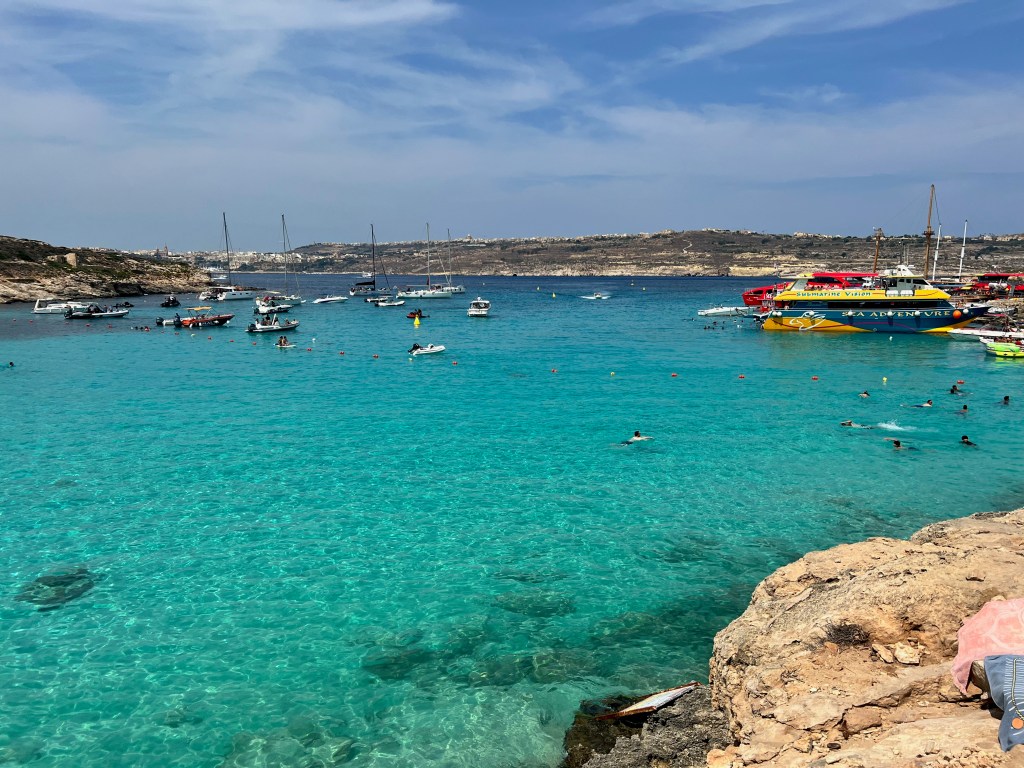
Comino and Blue Lagoon
Comino, the pint-sized pearl of the Maltese archipelago, holds an enchanting secret beyond the Blue Lagoon’s turquoise waters. Beneath the surface lies an underwater sculpture garden, a hidden world of art submerged beneath the waves. Created by local artist Joseph Mizzi, these intriguing sculptures serve as an underwater gallery, attracting snorkelers and divers who come to explore this unique fusion of nature and creativity. While the Blue Lagoon’s beauty is well-known, the allure of Comino goes deeper, inviting adventurers to uncover its submerged artistry in the embrace of the Mediterranean Sea.
How to Get There
The easiest way to go to Comino and the Blue Lagoon is with the public ferry. It costs 15 euros per person. Though this is the cheapest option, the ferry drops you off at the Blue Lagoon where you will find thousands of tourists. It is difficult to find a place to sit or to eat not to mention that the island is extremely rocky because of which you need to be super careful. The crystal blue waters are amazing for swimming but again you will be surrounded by many people.

The other option is to book an experience via Airbnb or Viator where they will take you in a private boat along with max 6-10 other people. They will provide lunch/drinks and they stop far away from the island itself so you can literally jump into the waters from your boat and then again hop back in without having to struggle to find a place to sit/relax after your swim. Another advantage of taking such a tour is that they also take you to the quieter parts surrounding the island which is only accessible via a private boar or canoe. You will also get snorkelling equipment if you want. The one that we took is linked here: Blue Lagoon Experience. It is certainly more expensive than taking a public ferry but if you count the cost of the ferry tickets, the chairs to rent on the island and the food, I am certain you will think that a private experience is worthwhile.
Where to eat in Malta:
In Malta when it comes to a culinary experience you will see that it is where the old meets the new. From traditional Maltese cuisine to a more modern take on european food, there is something for everyone here. Malta’s culinary scene is a delightful fusion of Mediterranean flavours, with fresh seafood, robust olive oils, and exquisite pastries at the forefront. Whether you’re savouring a plate of rabbit stew in a cozy family-run restaurant or indulging in a pastizzi, the city’s iconic pastry, Malta’s cuisine creates an unforgettable sensory journey that leaves a lasting impression on anyone fortunate enough to experience it. From my personal experience these are the restaurants/cafes I will highly recommend:
Palazzo Preca – Palazzo Preca houses a renowned restaurant that offers not only a sumptuous culinary experience but also a chance to dine within the walls of a splendid historical landmark. It’s a place where the past seamlessly meets the present, making it a must-visit destination for those exploring the charming streets of Valletta. We tried their Fried Crispy Calamari, Pan Fried Octopus and their Seabass al Sale. Everything was delicious!

Tico Tico – We stumbled upon this hidden gem while trying to decide where to eat amongst the 100 odd restaurants. This is not a fancy restaurant but rather a small cafe where the food is awesome and the service is great. They serve here food in small plates (tapas). We took 3 small plates and that was enough for 2 people. I would highly recommend their Local Tuna Steak, Beef Sliders and Baba Ghanoush. We also took. a side of Rosemary potatoes and they were awesome.
Rubino – For a traditional Maltese lunch, head to Rubino. Their ‘Fenek’ (rabbit stew) and ‘Bragioli’ (beef olives) are local favourites.
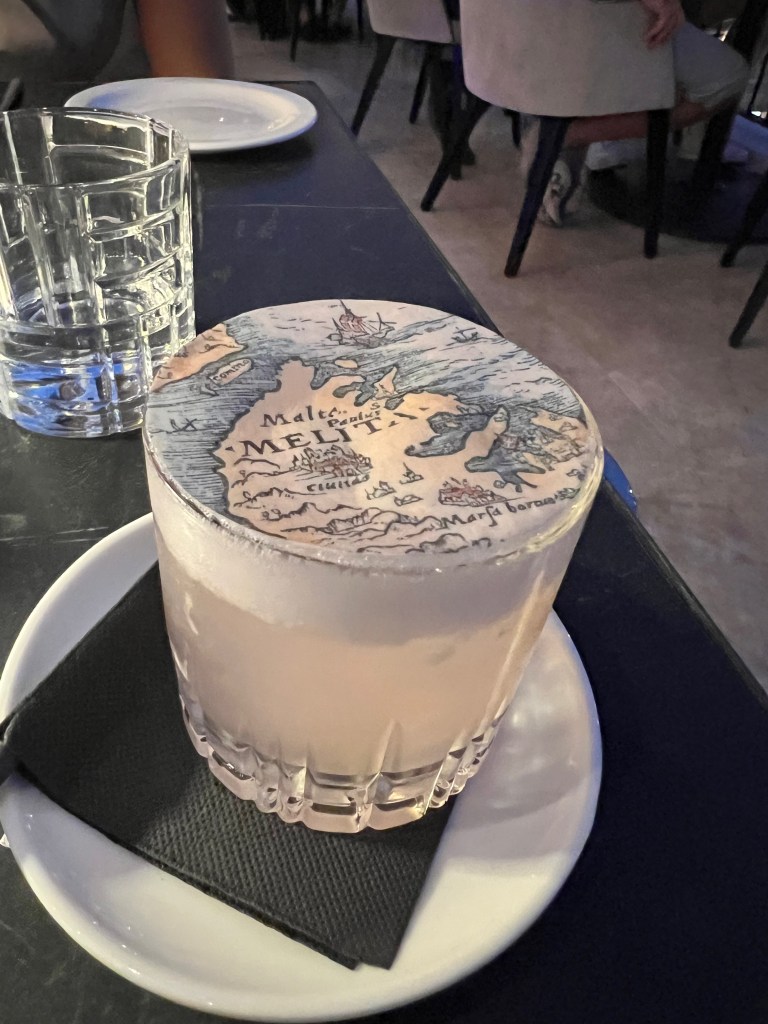
Sole by Tarragon – This is one of the more upscale/expensive restaurants in St. Julian district of Malta. St. Julian is famous amongst teenagers and young adults because of the many pubs/bars/lounges in this area. Here you will also see the most high rises buildings in Malta. Coming back to the restaurant, the views are to die for and they have some of the best cocktails that I have ever tasted so far. For food we tried Scallops à la Malta, Salmon Symphony, Octopus Odyssey, King Crab Indulgence and Azure Panna Cotta. Everything was delicious and worth every penny!

As the sun sets behind Valletta’s ancient walls, and you take one last glance at the shimmering Mediterranean, there’s an unusual magic that lingers in the air. It’s the feeling of being not just a traveler but a time traveler, transported through layers of history and culture. As you leave Malta behind, remember this uncommon truth: The real treasure of the Maltese islands is not just the fascinating sites and flavors you’ve discovered, but the warm, resilient spirit of its people. Malta is more than a destination; it’s an invitation to connect with a history that’s written in stone, and with a people who live it every day. Until we meet again, may your travels be as unique and extraordinary as this hidden gem in the heart of the Mediterranean.
 Roam her way